It’s biodiversity that makes good rice.
The Altromercato rice supply chain: the rice that nurtures the land and cultivates justice

Please select English subtitles
It’s biodiversity that makes good rice.
The Altromercato rice supply chain: the rice that nurtures the land and cultivates justice
The Rice Market
Rice is an ancient plant and there are over 140.000 registered varieties of rice in the world.
Rice is the main staple food source for almost half of the planet and its production cycle, as a whole, represents the most widespread economic activity in the world.


It is the third most cultivated grain in the world, after corn – in first place – and wheat; the main producing countries are located in Asia and are China, India and Indonesia.
(Source: FAOSTAT)
The main rice exporting countries are India and Thailand. Italy, on the other hand, is the leading European producer of rice with more than half of the total, but with niche numbers compared to world production.
In 2020, world rice production reached an all-time high of 508.7 million tonnes, an increase of 1.6% compared to 2019, boosted by expected recoveries in China, Southeast Asia and South Asia, followed by the United States of America
(Source: FAO)

Rice is an ancient plant and there are over 140.000 registered varieties of rice in the world.
Rice is the main staple food source for almost half of the planet and its production cycle, as a whole, represents the most widespread economic activity in the world.
It is the third most cultivated grain in the world, after corn – in first place – and wheat; the main producing countries are located in Asia and are China, India and Indonesia.
(Fonte: FAOSTAT)
The main rice exporting countries are India and Thailand. Italy, on the other hand, is the leading European producer of rice with more than half of the total, but with niche numbers compared to world production.
In 2020, world rice production reached an all-time high of 508.7 million tonnes, an increase of 1.6% compared to 2019, boosted by expected recoveries in China, Southeast Asia and South Asia, followed by the United States of America
(Source: FAO)
Environmental and social issues
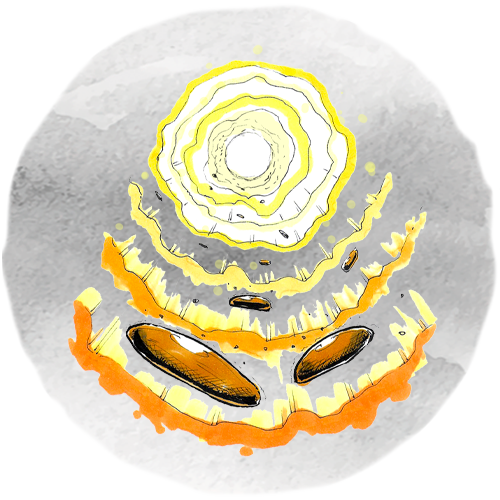
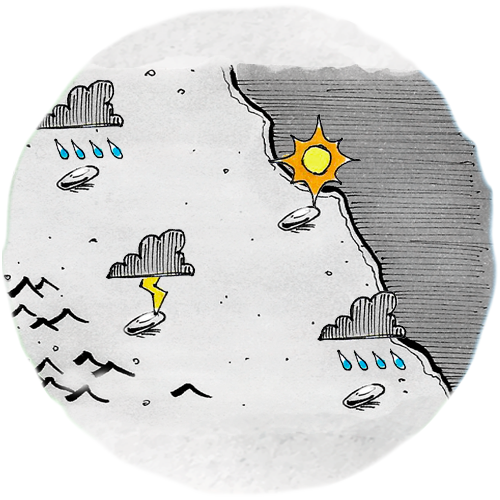
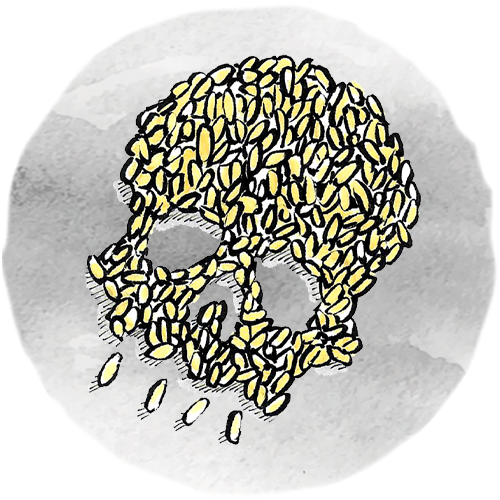
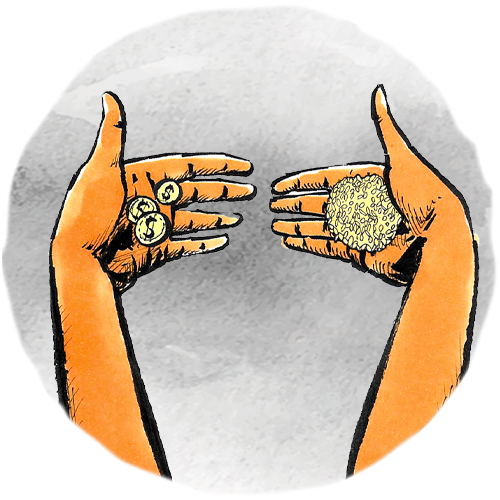
With the advent of agro-industry, rice has become the object of intensive cultivation, patents and genetic manipulations, and speculative stock market policies. All this has negative consequences for the environment and major social imbalances.

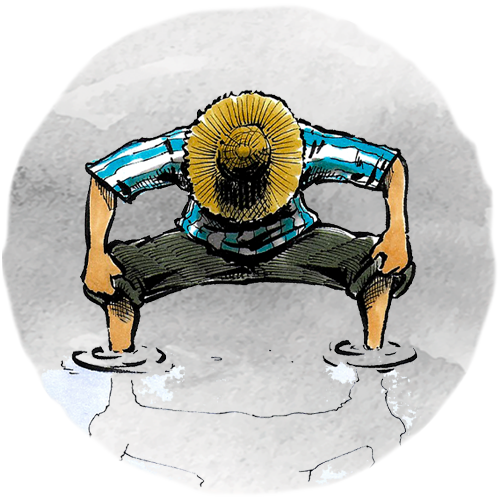



The ethical solution: the Altromercato rice supply chain
Biodiversity, sustainability and job protection for rice that is better for everyone.
High social impact of our rice supply chain

ECONOMIC AND SOCIAL IMPACT ON RURAL COMMUNITIES
The prices paid by Fair Trade are higher than those of the traditional market and this allows an improvement in living conditions in peasant communities, a decrease in poverty conditions and migration from the territories of origin.

FOOD SECURITY
FOR FARMERS
Farmers are guaranteed food security, continuity of relationships and rotation for self-consumption: organic rice is given first to families, who can thus enjoy a better diet, with the consequent reduction in infant mortality.

LOWEST PRICE
GUARANTEE
A fair compensation,
higher than the market price
and a guaranteed minimum price
are agreed upon with the producers.
e un prezzo minimo garantito.
This makes it possible
to reduce speculation caused
by fluctuations in the stock market.

CONTINUITY OF
THE RELATIONSHIP
After a trial period of up to 2 years
for each new manufacturer,
we ensure a stable and continuous
relationship with the manufacturer.

QUALITY
OF THE RELATIONSHIP
The relationship with our manufacturing partners is one of commercial,
technical support and cooperation.
We establish transparent and long-term business relationships with manufacturers.

ACCESS TO CREDIT
We support our producer partners by making it easier for them to access credit to be able to pre-finance harvests and the purchase of raw materials for production.

PRODUCER EMPOWERMENT
Producers are stimulated to continuous
improvement and learning,
including with on-site training.

RESPECT FOR WORKERS’ RIGHTS
Our partners work in exploitation-free
and safe conditions
and are paid a fair price.
Low environmental impact on rice production areas

CONCRETE
BIODIVERSITY
We support producers and projects that act sustainably on the issue of biodiversity and ensure the opportunity to create distribution channels for biodiverse products and seeds. We recognize the different cultural identities and generate knowledge by raising awareness of the value of diversity, offering different varieties of rice and recounting the particularities of each one.

NON-INTENSIVE CULTIVATION
AND ORGANIC PRODUCTION
Our producers grow rice using sustainable methods that are environmentally friendly and water-saving. Many cultivation methods are state-of-the-art and represent models worthy of imitation. The SRI method, for example, saves up to 50% of water, limits greenhouse gas emissions by up to 30% and achieves 30% higher yields than the traditional method.

SUSTAINABLE METHODS AGAINST
CLIMATE CHANGE
Small-scale producers are the first victims of climate change and the first to develop adaptation strategies, representing virtuous examples of climate friendly food production and giving rise to specific projects and programs. These include field assistance, technical support for the optimization of water resources and training on the topic of the climate crisis.

FINE VARIETIES AND ORIGINS,
of EXCELLENT QUALITY
In our supply chain, we prefer carefully selected varieties that are predominantly organic and whole grain, where the nutritional value is preserved.

RESPONSIBLE
LOGISTICS
Great attention is also given to
sustainability in logistics.
We are committed to having our
goods travel in full load-optimised containers.
High social impact of our rice supply chain
ECONOMIC AND SOCIAL IMPACT ON RURAL COMMUNITIES
The prices paid by Fair Trade are higher than those of the traditional market and this allows an improvement in living conditions in peasant communities, a decrease in poverty conditions and migration from the territories of origin.
FOOD SECURITY
FOR FARMERS
Farmers are guaranteed food security, continuity of relationships and rotation for self-consumption: organic rice is given first to families, who can thus enjoy a better diet, with the consequent reduction in infant mortality.
LOWEST PRICE
GUARANTEE
A fair compensation, higher than the market price and a guaranteed minimum price are agreed upon with the producers. This makes it possible to reduce speculation caused by fluctuations in the stock market.
CONTINUITY OF
THE RELATIONSHIP
After a trial period of up to 2 years for each new manufacturer, we ensure a stable and continuous relationship with the manufacturer.
QUALITY
OF THE RELATIONSHIP
The relationship with our manufacturing partners is one of commercial, technical support and cooperation. We establish transparent and long-term business relationships with manufacturers.
ACCESS
TO CREDIT
We support our producer partners by making it easier for them to access credit to be able to pre-finance harvests and the purchase of raw materials for production.
PRODUCER
EMPOWERMENT
Producers are stimulated to continuous improvement and learning, including with on-site training.
RESPECT FOR
WORKERS’ RIGHTS
Our partners work in exploitation-free and safe conditions and are paid a fair price.
Low environmental impact on rice production areas
CONCRETE
BIODIVERSITY
We support producers and projects that act sustainably on the issue of biodiversity and ensure the opportunity to create distribution channels for biodiverse products and seeds. We recognize the different cultural identities and generate knowledge by raising awareness of the value of diversity, offering different varieties of rice and recounting the particularities of each one.
NON-INTENSIVE CULTIVATION
AND ORGANIC PRODUCTION
Our producers grow rice using sustainable methods that are environmentally friendly and water-saving. Many cultivation methods are state-of-the-art and represent models worthy of imitation. The SRI method, for example, saves up to 50% of water, limits greenhouse gas emissions by up to 30% and achieves 30% higher yields than the traditional method.
SUSTAINABLE METHODS AGAINST
CLIMATE CHANGE
Small-scale producers are the first victims of climate change and the first to develop adaptation strategies, representing virtuous examples of climate friendly food production and giving rise to specific projects and programs. These include field assistance, technical support for the optimization of water resources and training on the topic of the climate crisis.
FINE VARIETIES AND ORIGINS,
of EXCELLENT QUALITY
In our supply chain, we prefer carefully selected varieties that are predominantly organic and whole grain, where the nutritional value is preserved.
RESPONSIBLE
LOGISTICS
Great attention is also given to sustainability in logistics. We are committed to having our goods travel in full load-optimised containers.
Altromercato rice
Environmental awareness also translates into rice
that is almost entirely organically grown.

IMPORTED
In 2020/21 we imported 169,756 kg of rice
from our producers (packaged and raw material).
More than 98% of the rice purchased
from our producers is organic.
There are 179,000 packs of rice purchased
by our producers and 100% is organic.

SOLD
In 2020/2021, we sold 160,000 KGs
of packaged rice.
100% of the rice sold is organic.
There are 1,600,000 Altromercato organic rice
dishes enjoyed by our consumers.
Our origins
From Thailand and India, we choose rice that protects
biodiversity, the planet and people.

The impact of our supply chain

OASIS
THAILANDIA

FAIR FARMING FOUNDATION
INDIA

GREEN NET
THAILANDIA